
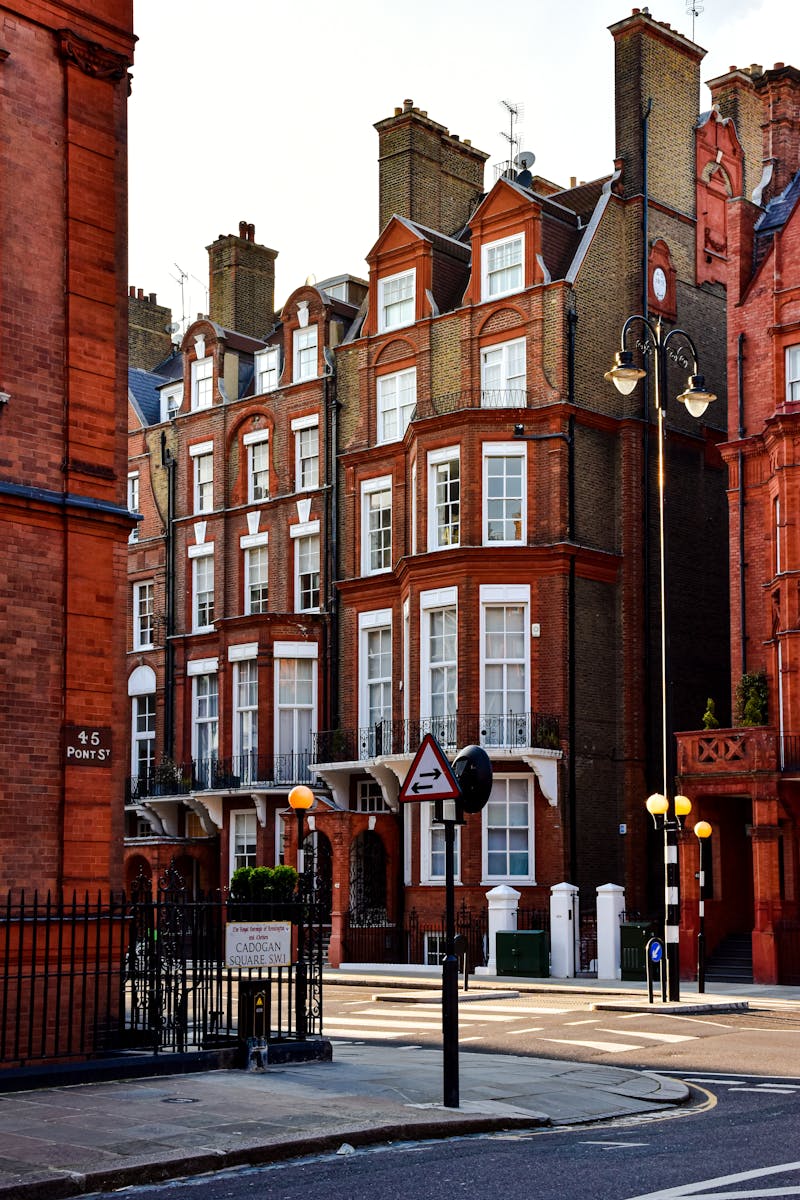
Sydney's Eastern Suburbs are home to some of Australia's finest heritage properties — federation homes in Woollahra, Victorian terraces in Paddington, Art Deco apartments in Bondi. These buildings have incredible character, but their electrical systems are often decades past their safe operational life.
Upgrading the electrics in a heritage home requires a careful balance: modern safety and functionality without compromising the character that makes these homes special.
Common Electrical Issues in Heritage Homes
Wiring
- Rubber-insulated cable — used in homes built before the 1960s. The rubber insulation deteriorates, becoming brittle and crumbling. This is a fire risk and almost always requires replacement
- Lead-sheathed cable — found in some early 1900s installations. The lead sheath is hazardous and the internal insulation is typically degraded
- Ungrounded circuits — many heritage homes were wired before earthing was standard. Two-pin power points are a clear indicator
- Knob and tube wiring — an early wiring method where individual conductors are supported on ceramic knobs and run through ceramic tubes in walls. Rare in Australian homes but found in some pre-1920s properties
Switchboard
Heritage homes commonly have:
- Ceramic fuse boards (some over 70 years old)
- Bakelite components that are flammable and brittle
- Insufficient circuit capacity for modern loads
- No safety switches (RCDs)
- Asbestos backing boards (common in 1950s-60s boards)
Challenges of Heritage Electrical Work
Concealed Wiring in Solid Walls
Modern homes have stud walls with cavities for running cables. Heritage homes often have solid brick, sandstone, or rendered masonry walls with no cavities. Running new cables requires either:
- Chasing channels in the masonry (then plastering over) — effective but disruptive and not always permitted in heritage-listed properties
- Using existing conduit routes where previous wiring was run — our preferred approach when possible
- Routing through roof space and under floors — minimises wall damage but may not reach every location
- Discrete surface-mounted conduit — sometimes necessary, using mini-trunking that can be painted to match walls
Heritage Listing Constraints
If your property is heritage-listed or in a heritage conservation area, there may be restrictions on external changes. Electrical work that modifies the external appearance (conduit on facades, new meter positions, external cable runs) may require council approval. We work with heritage requirements regularly and can advise on what's likely to be approved.
Matching Period Character
Modern white plastic switches and power points look out of place in a federation home with ornate timber joinery. Options include:
- Heritage-style switches and plates (brass, chrome, or ceramic reproduction fittings)
- Colour-matched plates to blend with wall colours
- Positioning outlets in discrete locations
Our Approach to Heritage Electrical Upgrades
- Thorough assessment — we test every circuit, inspect all accessible wiring, and assess the switchboard condition
- Minimal intervention — we prioritise approaches that achieve safety compliance with the least disruption to heritage fabric
- Discussion before action — we explain what's needed, what's optional, and what the options are. Heritage homeowners are invested in their properties and we respect that
- Careful execution — we protect finishes, repair access holes neatly, and leave the property as we found it (except safer)
Own a heritage home in the Eastern Suburbs? Call Randwick Electrical on 0413 707 758 for a heritage-sensitive electrical assessment.